
Collision Repair in Tomball, TX: What to Do After a Wreck on SH-249
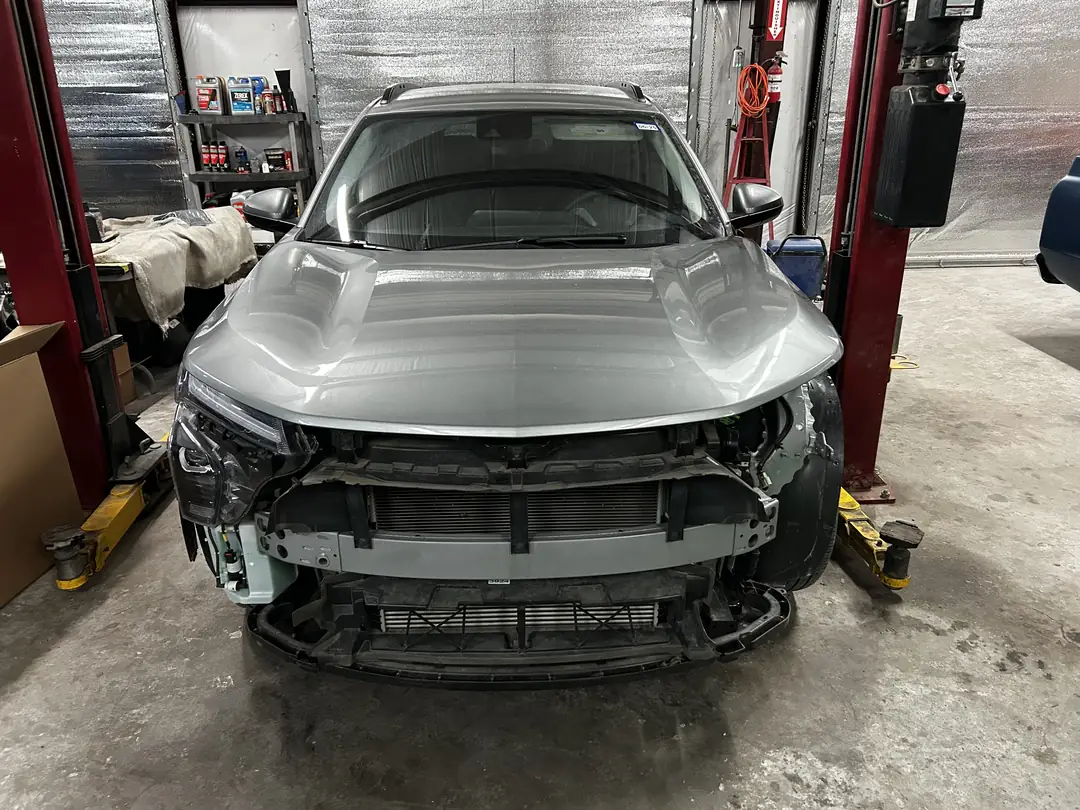
The call usually comes in the same way. Somebody's standing on the shoulder of SH-249 near Tomball, hazards on, phone in one hand and an insurance card in the other, and they ask me one question: "What do I do now?"
Fair question. Nobody plans for a wreck, and the first hour after one is when most of the expensive mistakes happen. Not the crash itself. The decisions right after it. So here's what I tell people, in the order it actually matters.
First: get safe, then get it on record
If anyone's hurt, call 911. That's the whole list for that situation.
If nobody's hurt and the cars still roll, get them out of the travel lanes. SH-249 traffic doesn't slow down much for a fender-bender, and I've seen a simple rear-end turn into a second wreck because both drivers stood in the lane arguing over whose fault it was. Pull onto the shoulder or into the next parking lot off the feeder road. Texas law expects you to move a drivable car out of the main lanes when nobody's injured, and it's the smart move anyway.
Then document everything before the cars move again if you can:
- Photos of both vehicles from all four corners, plus close-ups of the damage.
- The other driver's name, phone, insurance company and policy number, and their plate.
- Where it happened (the cross street or the nearest exit) and the time.
- Any witnesses who'll give you a number.
And call the police if the other driver won't share information, if anybody seems impaired, or if a car can't be driven. A police report makes the insurance side a lot simpler later.
The damage you can see isn't the damage that costs money
Here's the part people don't expect. A lot of SH-249 wrecks are rear-end hits in stop-and-go traffic around the FM 2920 area. The bumper cover looks scuffed, maybe cracked. Owners figure it's a $400 fix.
Then we pull the bumper cover off.
Behind it there's a foam absorber, a steel or aluminum reinforcement bar, brackets, and on most newer cars, radar sensors for adaptive cruise and parking assist. A hit that barely marks the plastic can crush the absorber, bend the bar, or knock a sensor out of alignment. None of that shows from the outside. It shows up when your blind-spot warning stops working, or worse, when the next hit lands on a bumper that can't absorb anything.
That's why I always say: don't settle a claim off a photo of the bumper cover. Get the car torn down and looked at properly. If there's any chance of frame or unibody damage, we measure it. (I wrote more about what that looks like in warning signs of frame damage after an accident.)
You pick the shop, not the insurance company
This one gets missed constantly. After a wreck, the insurance company may "recommend" one of their preferred shops. Some people assume that's required.
It isn't. In Texas, the vehicle owner chooses where the car gets repaired. The Texas Insurance Code says insurers can't limit your choice of repair shop, and their adjusters aren't allowed to tell you that you must use a particular shop to get covered. That's true whether you're claiming on your own policy or on the other driver's.
Preferred shops aren't automatically bad. But they have a relationship with the insurer, and you should know the decision is yours. It comes up so often that we wrote a full post on it: can I choose my own body shop in Texas?
What actually happens when you bring the car to us
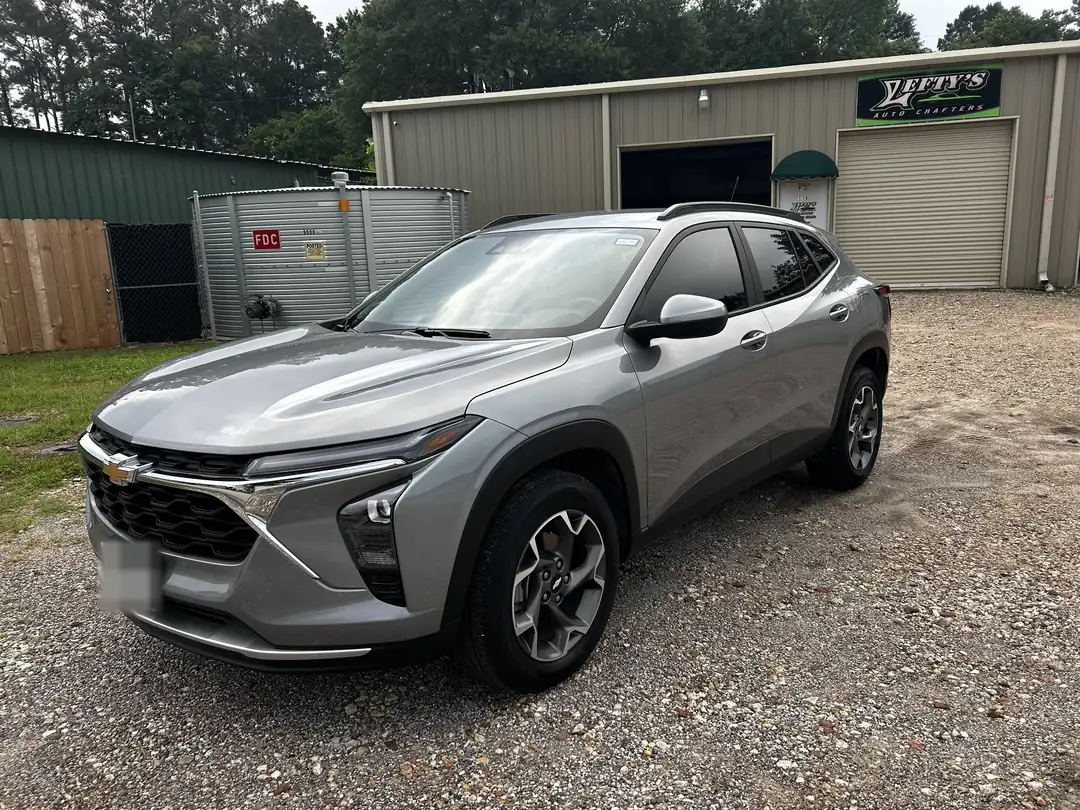
So you've picked a shop. Here's what a proper collision repair looks like at our place in Pinehurst, about 7 miles north of Tomball on SH 249, roughly a 15-minute drive:
- Estimate and teardown. We write the visible damage first, then take the damaged area apart to find what's hidden. If we find more, we send a supplement to the insurer with photos. That's normal; it's not a shop "running up the bill."
- Structure first. If the frame or unibody is off, it gets measured and straightened before any panel work. Paint on a crooked car is wasted paint.
- Parts. We'll tell you what the insurer approved (new OEM, aftermarket, or used) so you're not surprised.
- Body and paint. Panels repaired or replaced, then color-matched and blended into the panels next to them so the repair doesn't stand out in the Texas sun.
- Calibration and road test. Cars with cameras and radar get their systems checked after the repair.
It's not glamorous. But the steps you skip are the ones that show up six months later.
One more thing: call your own insurer even if it wasn't your fault
A lot of folks skip this. They figure the other driver's insurance is paying, so why bother their own. But the other company can take its time accepting fault. If you have collision coverage, opening the claim on your own policy can get the repair moving while the insurers sort out who pays. Your insurer can try to get your deductible back from the other company later. Ask your agent which route makes sense. Either way, write down your claim number and the adjuster's name the day you get them.
A quick word on timelines
People always want a date, and I get it, you need your car. A small bumper-and-light repair might be a few days. Anything structural, or anything waiting on parts, can take a couple of weeks or more. The honest answer depends on the parts supply and the insurer's approval speed more than on our hands. We'll give you a realistic date once the car's torn down, and we'll update you if it moves.
Where this advice falls short
If you're injured, this isn't the post for you. Talk to a doctor, and if fault is disputed or injuries are involved, a Texas attorney. I fix cars. I'm not giving legal advice, and every insurance policy is a little different, so read yours or call your agent about rental coverage and deductibles.


